
Voice AI and the Restaurant Memory Layer
Voice AI is changing restaurant reservations, but the real shift is Enterprise Memory: every guest call becomes context your team can use next visit.
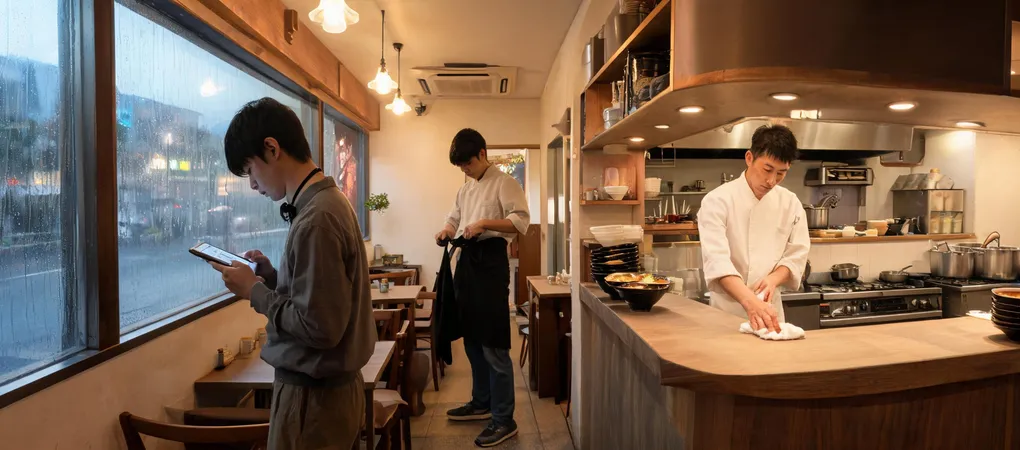
It is 7:42 on a Friday night. A couple walks back into your restaurant, and the host knows the face but not the detail.
Was she the one who asked for the corner table because her father uses a cane? Was he the guest who mentioned the shellfish allergy on the phone? The reservation says party of four. The conversation had the truth.
The reservation was never the whole story
Restaurant Technology News recently covered how Voice AI is changing phone reservations. That is the timely headline. Restaurants are using voice agents to answer questions, book tables, and handle the constant motion around availability.
But I think the bigger shift is not booking. It is memory.
“A restaurant does not run on reservations. It runs on remembered details.”
The call where a guest says they are celebrating their mother finishing chemotherapy. The walk-in who asks whether the back room is quieter because their son gets overwhelmed. The regular who never complains, but finally says the last visit felt rushed.
Those are not just notes. They are the raw material of hospitality.
Restaurants already know this pain
The National Restaurant Association projected the U.S. restaurant industry would reach $1.1 trillion in sales in 2024 and employ 15.7 million people. That is a huge industry built on very small moments.
And small moments are fragile. They happen while the host is watching the door, the server is resetting table 18, the manager is checking the kitchen, and the phone is ringing beside a stack of menus.
- Before: The reservation says, “Anniversary, 7:30, table for two.”
- After: The guest profile says, “Called Tuesday, asked for a quiet table away from bar, wife prefers no dessert candle, returning after first date here 12 years ago.”
- Before: The host remembers something about a gluten issue.
- After: The system shows the guest’s exact words, searchable before they arrive.
That is the difference between a reservation system and Enterprise Memory.
A reservation system stores the slot. Enterprise Memory stores the relationship.
Pick the last return guest who walked in during a busy service. Without checking the system, what did they tell your team last time?
Now check the reservation note. Listen to the gap between what they said and what your business remembered.
Conversations are the dining room before the dining room
A restaurant call is not only a transaction. It is a guest rehearsing the experience they hope to have.
They tell you who is coming. Why it matters. What they are worried about. What went wrong last time. What would make the night feel easy.
For years, the industry treated that conversation as temporary. The host might jot down “birthday” or “allergy” if service is calm. But during the rush, language gets compressed.
“My dad has trouble walking, can we sit near the entrance?” becomes “accessible.” “Please do not make a scene, she hates attention” becomes “birthday.” Eleven minutes of human detail evaporate between the guest and the screen.
The voice agent is only the front door
This is where many AI products stop too early. They focus on completing the reservation.
Completion matters. But memory compounds.
“If the system forgets the guest’s words, the restaurant has to rediscover the guest every visit.”
With Telalive, a phone reservation becomes more than a booked table. The conversation becomes structured guest memory: preferences, timing, allergies, occasion, tone, prior friction, and the exact phrases that matter later.
So when that guest arrives, your team is not starting cold. The host sees the shape of the relationship before saying hello.
- The manager sees context: not just VIP, but why the night matters.
- The host sees constraints: mobility, noise, timing, seating preferences, family details.
- The server sees care instructions: not generic tags, but the guest’s own words.
The table is not the only place memory disappears
Restaurants have another memory problem: the hallway conversation.
The chef tells the manager that table 12’s guest asked about the sauce because of dairy. The bartender notices a regular is switching from cocktails to sparkling water. The server hears that a private dining guest wants the same setup next quarter.
Some of that makes it into the system. Much of it lives in someone’s head until the shift ends.
That is why our MIC05 and MIC06 devices matter beyond restaurants, and especially inside restaurants. Wearable voice capture can preserve the detail at the moment it appears, without asking a working person to stop being useful and become a typist.
What changes when every call becomes a profile
The before version of the restaurant depends on heroic memory. A great host remembers faces. A great manager remembers preferences. A great server carries the emotional map of regulars in their head.
But people rotate. Shifts change. The veteran takes vacation. The new host is sharp, but new.
- Before: Hospitality quality depends on who happens to be working.
- After: The business remembers consistently, even when the team changes.
- Before: A guest repeats the same context again and again.
- After: The restaurant recognizes the thread and continues it.
- Before: The private dining note says “corporate dinner.”
- After: The profile shows budget range, wine preferences, room layout, timing sensitivity, and the comment that the CEO hates speeches.
This is not about replacing hospitality with automation. It is about protecting hospitality from amnesia.
Look, restaurants do not need another dashboard to stare at during service. They need the detail to be captured while the work is happening and resurfaced when it matters.
Enterprise Memory is infrastructure, not a feature
The trend around Voice AI for reservations is real. It will keep moving because restaurants feel the pressure of phone volume, staffing complexity, and guest expectations that do not pause during the dinner rush.
But the winners will not be the restaurants with the cleverest script. The winners will be the restaurants whose memory gets better every night.
“Revenue begins when a guest feels remembered, not processed.”
That is our thesis at GMIC AI. Knowledge has a half-life, and in restaurants that half-life can be shorter than a dinner turn.
Enterprise Memory closes the gap between work happening and work being remembered. The conversation becomes searchable. The guest detail survives the rush. The next visit starts with context, not reconstruction.
The future of restaurant Voice AI is not a robot taking reservations. It is a business that finally remembers what its guests already told it.
From AI phone agents to custom hardware — we’ve got you covered.